
.jpg "B.A./B.A. (Hons) in Media and Communication")
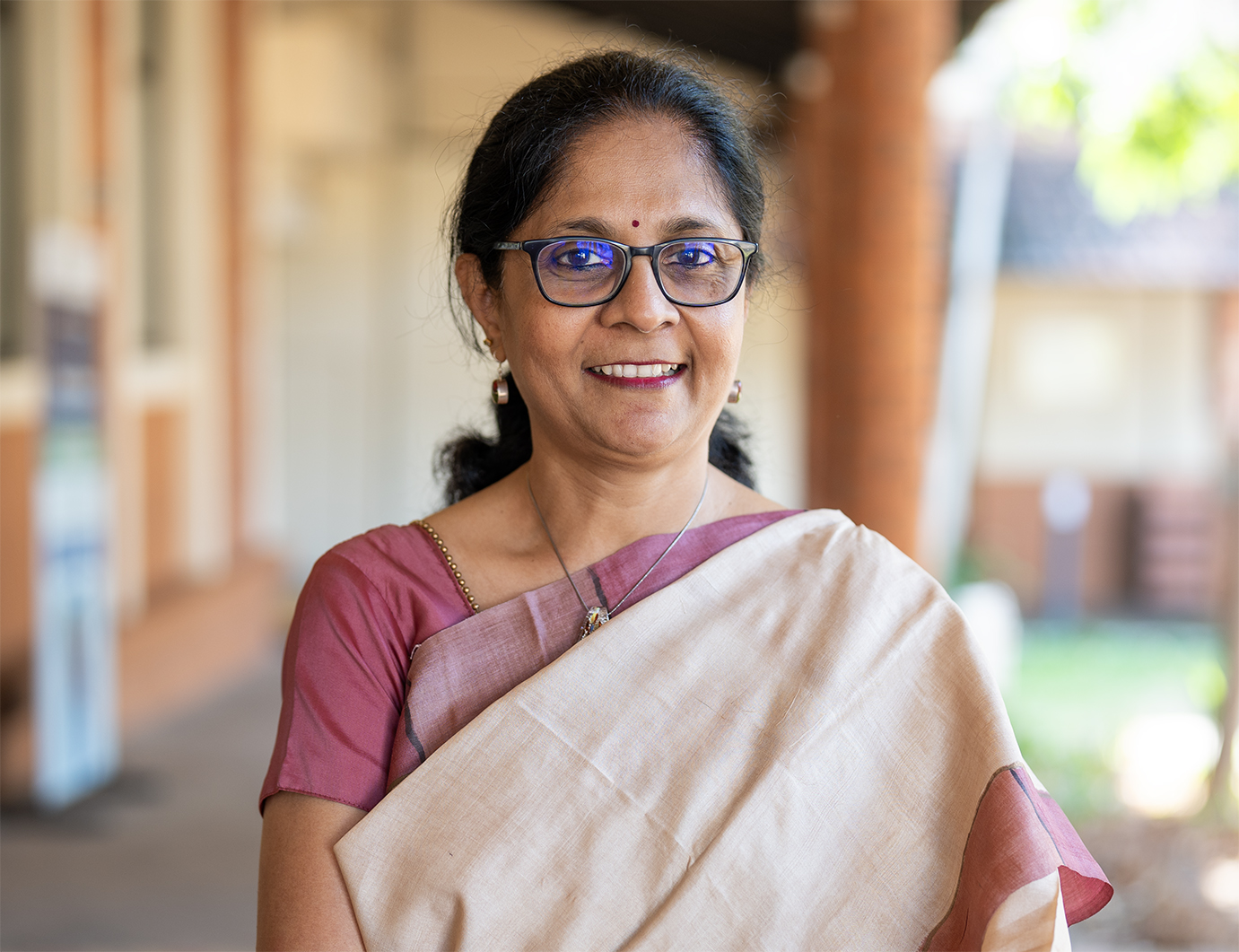
Dr. Shubha H S
Director & Professor with expertise in Broadcast Media Histrionics, Design for Print and Sound Design and Aesthetics. She earned her PhD in Media Science and M.S. in Communication.


3 / 4 Years

Undergraduate

Full Time

31 July 2026
31 July 2026
The B.A. (Hons) in Media and Communication at Manipal Institute of Communication is a dynamic undergraduate programme that blends media studies, communication theories, and practical production skills. Focusing on traditional and emerging media platforms, the programme prepares students for diverse careers in advertising, public relations, digital media, and entertainment.
Students in the Bachelor of Media and Communication programme develop a comprehensive understanding of media ecosystems through a curriculum that balances theoretical frameworks with hands-on experience. This programme cultivates critical thinking, analytical capabilities, and creative storytelling across multiple media formats.
The programme emphasises ethical media practices and responsible communication, while providing opportunities to develop professional portfolios through industry-relevant projects. Guest lectures, workshops, and field visits enhance the learning experience, ensuring students remain connected to current industry trends.
The Bachelor of Media and Communication programme is a three-year, full-time bachelor’s programme. Students with a CGPA of 7.5 or higher can pursue an additional fourth year for the B.A. (Honours) qualification. The curriculum is structured to provide foundational knowledge in the first year, specialised skills development in the second year, and professional applications in the third year.
The B.A. Communication and Media Studies at Manipal Institute of Communication features a diverse range of subjects. Graduates develop versatile skill sets that prepare them for careers across multiple sectors with a foundation in storytelling techniques, ethical practices, and emerging media technologies. The programme follows a comprehensive credit-based system that includes core courses, electives, practical workshops, internships and capstone projects. Students who continue to the honours year engage in advanced research and specialised studies.
Fundamentals of Internet and New Media
Media Laws and Ethics
Advertising & Public Relations
Media Psychology
Media Research
Development Communications
Photojournalism
Communication Theory and Practice
Sports Journalism
Scripting for Broadcast Media
Arts & Entertainment Journalism
Integrated Marketing Communication
Video Editing & Compositing
Film Techniques & Technology
The Bachelor of Media and Communication programme offers hands-on training in media production, news reporting, and branding campaigns, equipping students with real-world industry skills. Through live projects and workshops with media professionals, students gain practical experience in content creation and storytelling. They also work with industry-standard tools for video editing, social media management, and digital storytelling, preparing them for dynamic roles in the ever-evolving media landscape.
Learn more about the course curriculum in this document.
Admission to the B.A. in Media Communication course at Manipal Institute of Communication represents a comprehensive selection process designed to identify students with strong foundations and creative potential in media studies. The admission criteria balance academic achievements with aptitude for communication, ensuring a diverse cohort of students ready to engage with the multifaceted world of media and communication studies.
Domestic students must have completed 10+2 school level or Pre-University examination from any recognised institute/board with a minimum of 45% aggregate marks.
For students from A levels, the requirement is a minimum of 2/3 subjects in ‘A’ Levels and 5 passes in IGCSE/GCSE, including English, with an average ‘D’ grade.
IB students need either an IB Diploma or an IB Certificate with three subjects at HL and three at SL with an overall minimum of 24 points.
International students/NRIs are admitted based on prescribed academic qualifications and a review of educational and co-curricular accomplishments assessed by MAHE’s International Admissions office and are exempt from the admission test.
Apply Online: Register and complete the application on the MAHE website. Pay the required admission fee.
Entrance Test: MIC admission is based on a CUET(UG) / MECAT test.
Personal Interview: Attend the personal interview (PI) on the scheduled day.
Merit List: MAHE will release a merit list based on the PI and Entrance Test.
Provisional Admission: Receive a provisional admission order.
Admission Formalities: Go through the admission formalities.
MAHE offers multiple scholarship opportunities for eligible students, including Scholar and Achiever Scholarships, Merit Scholarships for military personnel wards, International Students, and MAHE Manipal Alumni children, as well as specialised scholarships for Konkani-speaking students and interest subsidy on educational loans.
The media communication course offers semester-long exchange opportunities with select foreign partner universities, with some programmes providing fully-funded scholarships. This depends on the partner university's offerings in a given academic year.
Learn more about the admission criteria from this document.
The B.A. Media and Communication at Manipal Institute of Communication prepares graduates for a vibrant array of career opportunities across traditional and emerging media landscapes. This programme equips students with advanced communication skills, creative storytelling abilities, and critical media analysis capabilities essential for thriving in today’s information-driven global economy
Potential Job Roles

News and Media Organisations: Times Group, Network18. NDTV, The Hindu, Hindustan Times, India Today
Social Media and Digital Marketing Firms: Dentsu, WATConsult, Social Beat, AdLift, Schbang
Advertising and PR Agencies: Ogilvy, Edelman, Weber Shandwick, Perfect Relations, MSL Group
Entertainment and Film Production Companies: Yash Raj Films, Dharma Productions, Excel Entertainment, Red Chillies Entertainment
OTT Platforms: Netflix, Amazon Prime, Disney+ Hotstar, ZEE5, SonyLIV
Corporate Communication Departments in MNCs: Tata Group, Reliance Industries, Infosys, Wipro, Amazon, Google
Publishing Houses: Penguin Random House, HarperCollins, Juggernaut Books
Government Media Departments: Doordarshan, All India Radio, Press Information Bureau
E-Commerce Companies: Flipkart, Myntra, Nykaa, Swiggy, Zomato
Educational Content Providers: BYJU’S, Unacadem, upGrad, Vedantu
M.A. in Media Studies, Journalism, Public Relations, or Digital Communication
Specialised certifications in digital marketing, media analytics, or UX writing
MBA with specialisation in Media Management or Marketing Communication
MFA in Film Production, Animation, or Visual Effects
PhD programmes in Mass Communication or Media Studies
International exchange programmes with leading global media institutions
Professional diplomas in emerging technologies like Virtual Reality and Artificial Intelligence in Media
Specialised courses in data journalism, podcast production, or interactive storytelling
The Bachelor of Media and Communication programme at Manipal Institute of Communication is led by distinguished faculty members with extensive academic credentials and industry experience:
Director & Professor with expertise in Broadcast Media Histrionics, Design for Print and Sound Design and Aesthetics. She earned her PhD in Media Science and M.S. in Communication.
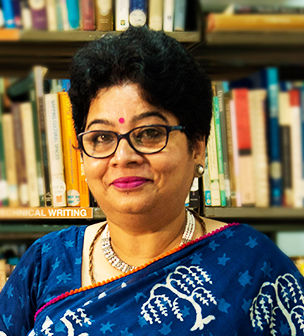
Professor specialising in Defence Communication, Media Management, and Media Policies. She holds a PhD from Jawaharlal Nehru University and has 20 years of teaching experience
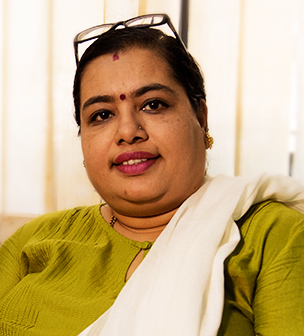
Assistant Professor specialising in Editing, Design, and Advertising. She holds an MBA in HR along with an M.A in Mass Communication & Journalism.
Comprehensive studies on media influence, audience behaviour, and digital content trends.
Advanced research in ethical journalism and political communication methodologies.
Opportunities to assist faculty in media-related research projects.
Industry collaborations and internships with leading media houses.
Engagement in developing innovative media research methodologies.
The Manipal Institute of Communication offers a dynamic and innovation-driven environment for media students, featuring industry-standard facilities and exceptional opportunities for practical skill development. The campus infrastructure, vibrant student communities, and industry connections are designed to foster creative exploration, professional growth, and hands-on experience in various media disciplines.
 State-of-the-art media production labs equipped with professional-grade cameras, lighting systems, and audio recording equipment.
Advanced digital editing suites with industry-standard software for video, audio, and multimedia content production.
Professional newsroom setup mimicking real-world broadcast environments for journalism training.
Modern podcasting studios with soundproofing and professional recording capabilities.
Dedicated film screening rooms with high-definition projection systems for media analysis and appreciation.
Computer labs with specialised software for graphic design, animation, and digital content creation.
Media resource centre with an extensive collection of books, journals, films, and digital archives.
High-speed internet connectivity and cloud-based collaboration platforms for digital media projects.
Media Club: Student-run organisation producing campus news, documentaries, and creative video content.
Journalism Club: Platform for aspiring journalists to practice reporting, interviewing, and news writing skills.
Film Societies: Regular screening and discussions of classic and contemporary cinema from around the world.
Debate and Public Speaking Forums: Enhances communication skills through regular debates and public speaking competitions.
National and International Media Fests: Participating in Ad Mad, quiz competitions and short film festivals.
State-of-the-art media production labs equipped with professional-grade cameras, lighting systems, and audio recording equipment.
Advanced digital editing suites with industry-standard software for video, audio, and multimedia content production.
Professional newsroom setup mimicking real-world broadcast environments for journalism training.
Modern podcasting studios with soundproofing and professional recording capabilities.
Dedicated film screening rooms with high-definition projection systems for media analysis and appreciation.
Computer labs with specialised software for graphic design, animation, and digital content creation.
Media resource centre with an extensive collection of books, journals, films, and digital archives.
High-speed internet connectivity and cloud-based collaboration platforms for digital media projects.
Media Club: Student-run organisation producing campus news, documentaries, and creative video content.
Journalism Club: Platform for aspiring journalists to practice reporting, interviewing, and news writing skills.
Film Societies: Regular screening and discussions of classic and contemporary cinema from around the world.
Debate and Public Speaking Forums: Enhances communication skills through regular debates and public speaking competitions.
National and International Media Fests: Participating in Ad Mad, quiz competitions and short film festivals.

Structured internship programmes with leading national and regional media houses, newspapers, and television channels. Professional experience opportunities are also available with established PR firms, advertising agencies, and corporate communication departments.
Hands-on training opportunities with digital marketing agencies and social media management companies. Live client projects where students develop real advertising campaigns and media strategies for businesses.
Brand collaborations allow students to work on actual marketing challenges and communication solutions. A guest lecture series featuring industry professionals, journalists, filmmakers, and media executives.