
Overview
The School of Mechanical Engineering established on 1 January 2026, integrates three well‑established academic domains at MIT Manipal Mechanical & Industrial Engineering, Mechatronics, and Aeronautical & Automobile Engineering into a unified ecosystem known for its strong accreditation record, advanced laboratory infrastructure, industry partnerships, and a sustained commitment to interdisciplinary education and research excellence.
Key Highlights
Mechanical & Industrial Engineering
- Legacy stream established in 1960
- Broad minors spanning design, thermal sciences, materials, manufacturing, automation, robotics, quality engineering, IIoT, coding, and EV Technology
- EV Technology minor offered in collaboration with L&T EduTech
Mechatronics Engineering
- Established in 2006
- Hosts key Centres of Excellence including:
- Bosch Rexroth Hydraulics & Pneumatics Facility
- C‑DAC collaborations
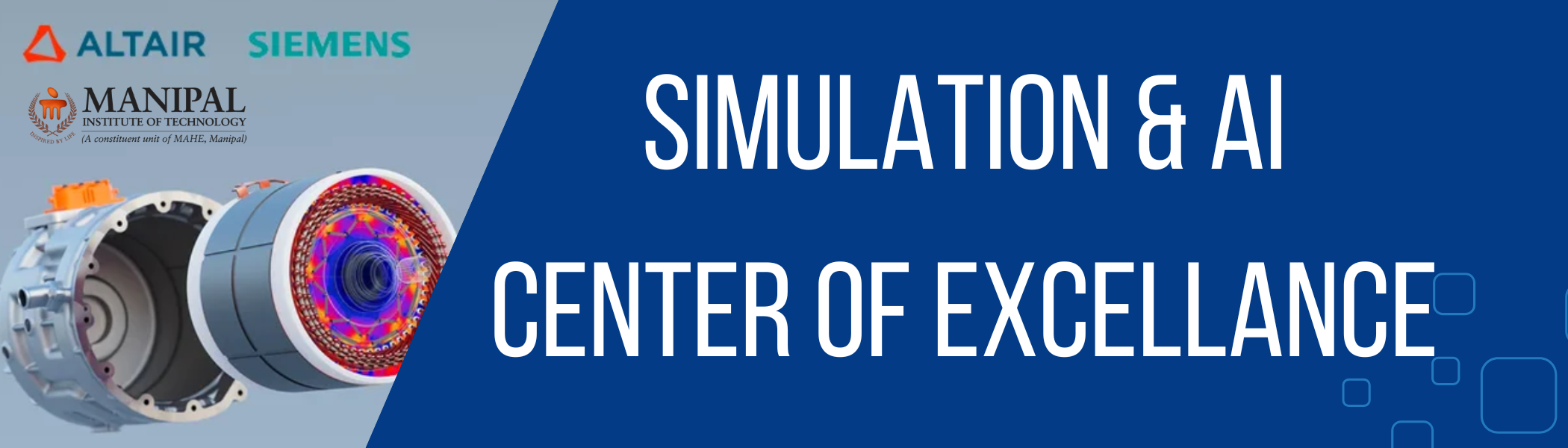
- Altair–MIT AI Research initiative
- Active MoUs with Orangewood Labs, Codemischief, JMAG International, and Bosch Rexroth
Joint / Interdisciplinary Programs
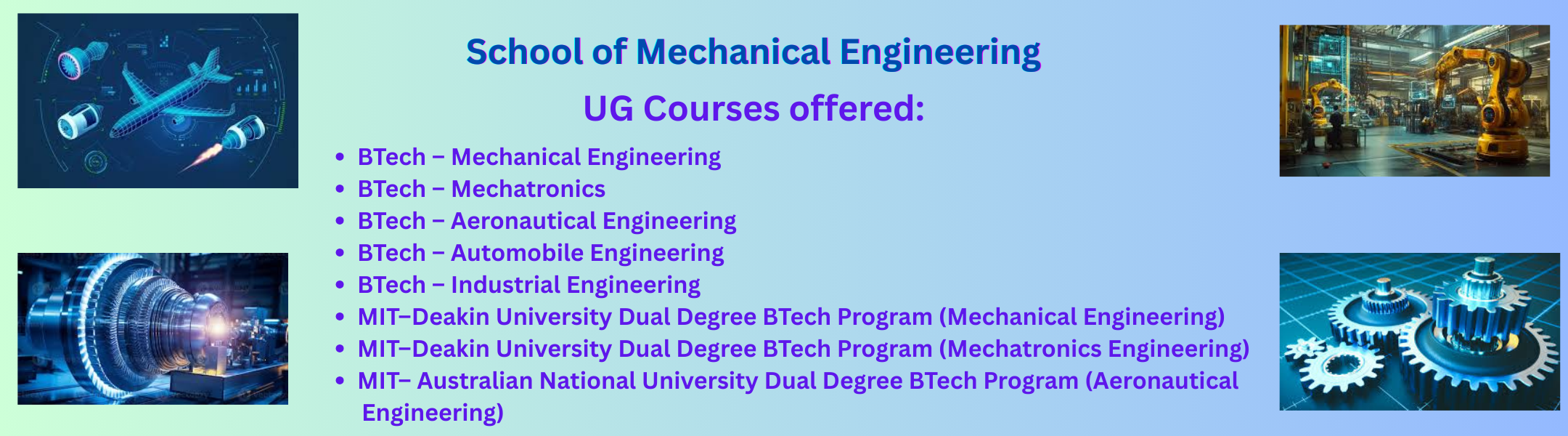
- B.Tech Dual Degree in Mechanical Engineering (2024)
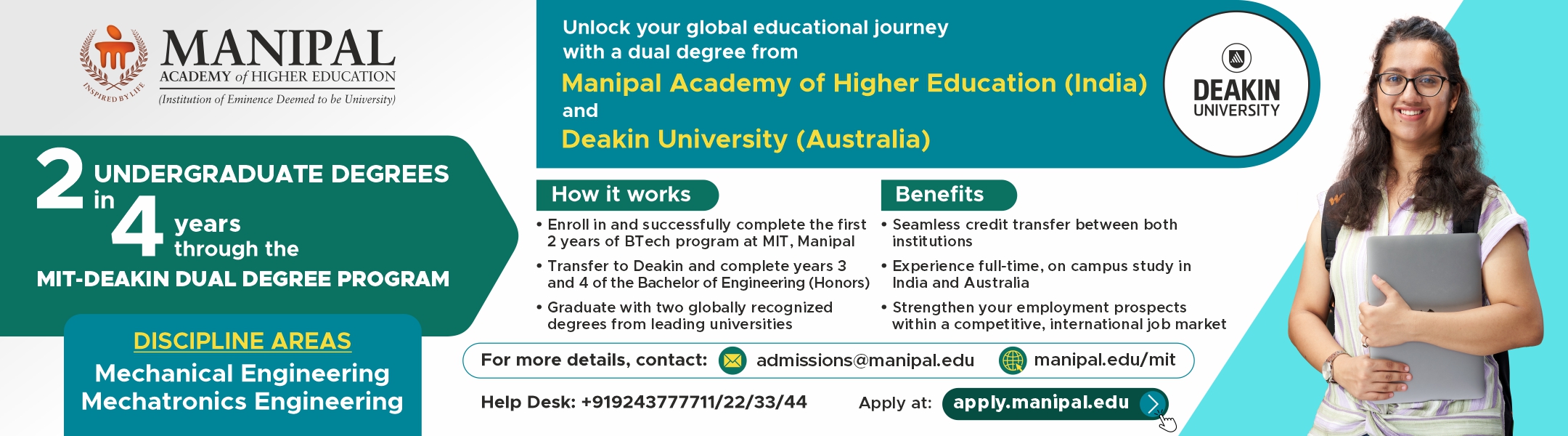
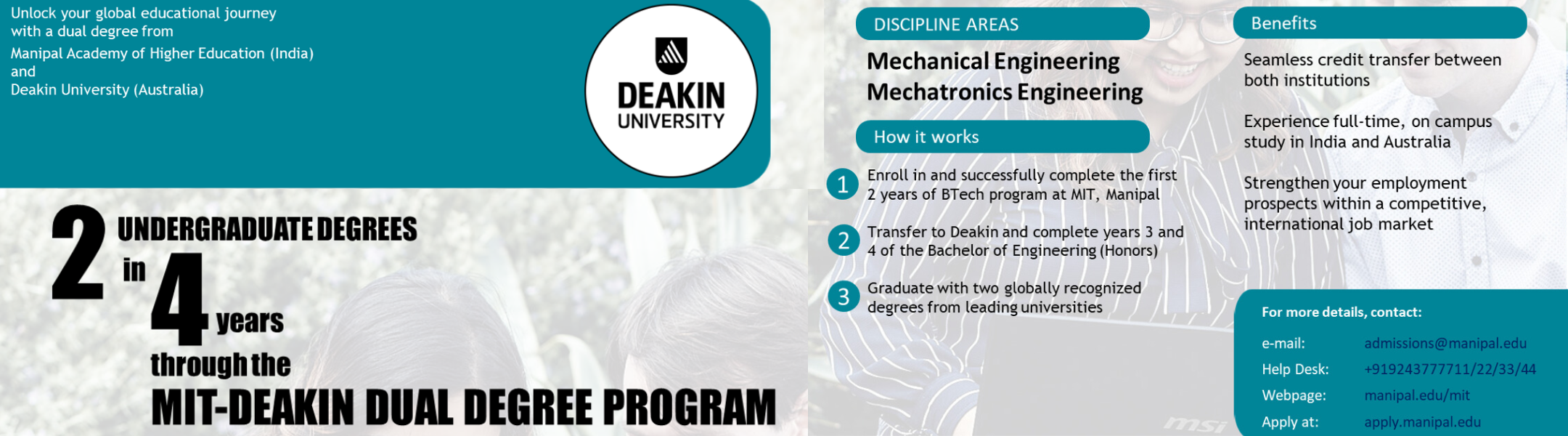
- International dual-degree program with Deakin University, Australia
Aeronautical & Automobile Engineering
- Established in 2008
- Supported by specialized facilities:
- Composite Manufacturing & Testing Lab
- Avionics Lab
- Aerodynamics & Propulsion Lab
- Research strengths: aerodynamics, CFD, AI/ML, space technologies, biomimetics, composite materials, avionics
- IN‑SPACe collaboration enabling a minor specialization in Space Technology
- Strong student‑led teams: AeroMIT, DronAid, ThrustMIT, Parikshit
School-Level Centres & Industry‑Integrated Facilities
- Facilities supported by Forbes Marshall Pvt. Ltd. and NICO – Nanobubble India Co.
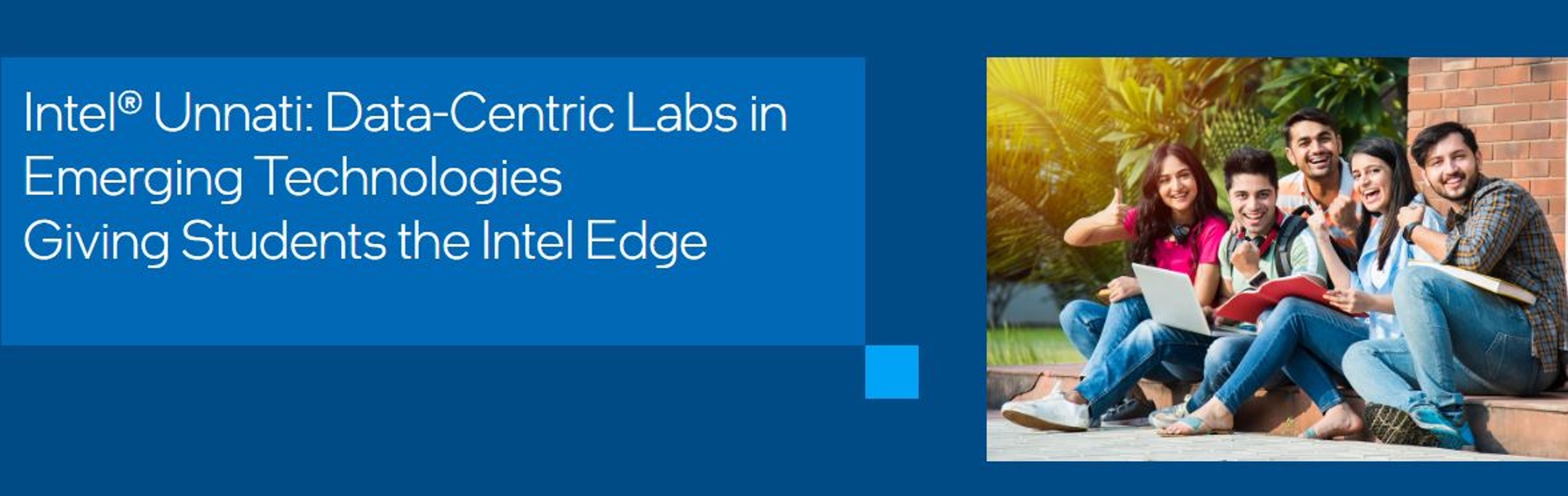
- Intel Unnati AI/ML Laboratory enabling cutting‑edge exposure to AI, ML and data-centric technologie
The following departments (up to the year 2025) have been consolidated under the School of Mechanical Engineering. Students admitted up to the Academic Year 2025–2026 may access detailed information about each department through the links provided below.
B.Tech Programs
BTech Mechanical Engineering (ME) is a four-year undergraduate engineering degree course offered by the School of Mechanical Engineering. This course provides students with the knowledge and skills necessary to design, analyze, manufacture, and maintain mechanical systems. This course offers core subjects such as theory of machines, design of machine elements, materials engineering, manufacturing processes, additive manufacturing, fluid mechanics, thermal engineering, finite element method, etc. along with a wide range of program electives to strengthen the knowledge of the students. With access to state-of-the-art laboratories and high-end softwares, students are equipped to tackle real-world engineering challenges and stay abreast of the latest technological advancements.
B.Tech - Mechatronics: Mechatronics is a multi-disciplinary domain lying at the intersection of Mechanical, Electrical, Electronics, and Computer Science Engineering. objective of the school is to enable students with the potential to address the future challenges by laying a strong foundation of multidisciplinary knowledge in their intellect. The school is well-equipped with laboratories set up in collaboration with industries to enable the students integrate knowledge from various engineering disciplines and get used to various industrial cases through. The school emphasizes on the industry academic partnership which benefits students to work in professional sphere during graduation, provides graduates with the research background necessary for an academic career, provides insights to nurture the entrepreneurship ambitions, opportunities for industrial experience, and experiential learning.
The B.Tech program in Aeronautical Engineering focuses on the design, development, construction, maintenance, and safety of aircraft and their associated systems, while emphasizing the fundamental scientific principles governing flight and aerospace operations. The curriculum is carefully structured to build a strong foundation in core areas such as aerodynamics, propulsion, flight mechanics, structures, and avionics, along with emerging domains in aerospace technology. In addition, students are encouraged to participate in internships, industry collaborations, technical competitions, and research activities, fostering innovation, teamwork, and practical problem-solving skills. Exposure to modern tools such as Computational Fluid Dynamics (CFD), finite element analysis, and programming further enhances their technical competence. To provide flexibility and specialization, the school offers minor specializations in aerodynamics, avionics, and space technology for undergraduate students, enabling them to develop focused expertise in advanced and interdisciplinary areas of aerospace engineering. The program also supports pathways for higher studies, research, and careers in aviation, space organizations, defense, and related high-technology industries.
The B.Tech program in Automobile Engineering deals with the study of various engines and their construction, electrical systems, alternate fuels, safety, economics and quality of an automobile. For a better learning experience, students are exposed to case studies and problem-based learning, brainstorming, written tests, computer simulation, group discussions, industrial training seminars and projects. The School offers Two Minor Specializations- "Automotive System Design" and "Electric and Hybrid Vehicles" to Undergraduate students of B.Tech. Automobile Engineering.
BTech in Industrial Engineering (IE) is a dynamic field focused on optimizing processes, improving productivity, and minimizing waste across various industries. With the rise of technologies such as AI, IoT, Industry 4.0, 3D printing, cybersecurity, quality engineering, and systems engineering, IE plays a critical role in enhancing decision-making. Industrial engineers use IoT to monitor systems, collect and analyze data, and identify inefficiencies, ultimately improving performance and reducing costs. They also leverage predictive analytics to forecast trends and recommend operational improvements. As industries adopt technological innovations and sustainable practices, industrial engineering continues to be highly relevant, with growing demand for professionals skilled in process optimization, supply chain management, and data-driven decision-making.
Students undertake the first two years of the BTech in Mechanical Engineering at MIT Manipal and then move to Deakin University, Australia, for the final two years of the Bachelor of Engineering (Honours) in Mechanical Engineering. At the completion of four years, students are awarded two degrees—a BTech from MIT Manipal and a Bachelor of Engineering (Honours) from Deakin University—offering enhanced global career opportunities. (Brochure)
This four-year dual degree program requires students to complete the first two years of the BTech in Mechatronics Engineering at MIT Manipal, followed by the final two years at Deakin University, Australia, leading to the Bachelor of Engineering (Honours) in Mechatronics Engineering. Graduates earn two degrees upon completion, positioning them for multidisciplinary engineering roles worldwide. (Brochure)
The MIT–Australian National University Dual Degree BTech Program (Aeronautical Engineering) pathway allows students from MIT Manipal to progress to the Bachelor of Engineering (Honours) with a major in Aerospace Systems at the Australian National University (ANU). Students who successfully complete two years of the BTech Aeronautical Engineering program at MIT Manipal with a desired CGPA score and meet the ANU English language admission requirements are eligible for direct entry into the ANU program. At ANU, students study in person for two additional years which is equivalent to two years of full-time study. Upon completion, students graduate with an ANU Bachelor of Engineering (Honours) with a major in Aerospace Systems.
MTech Programs
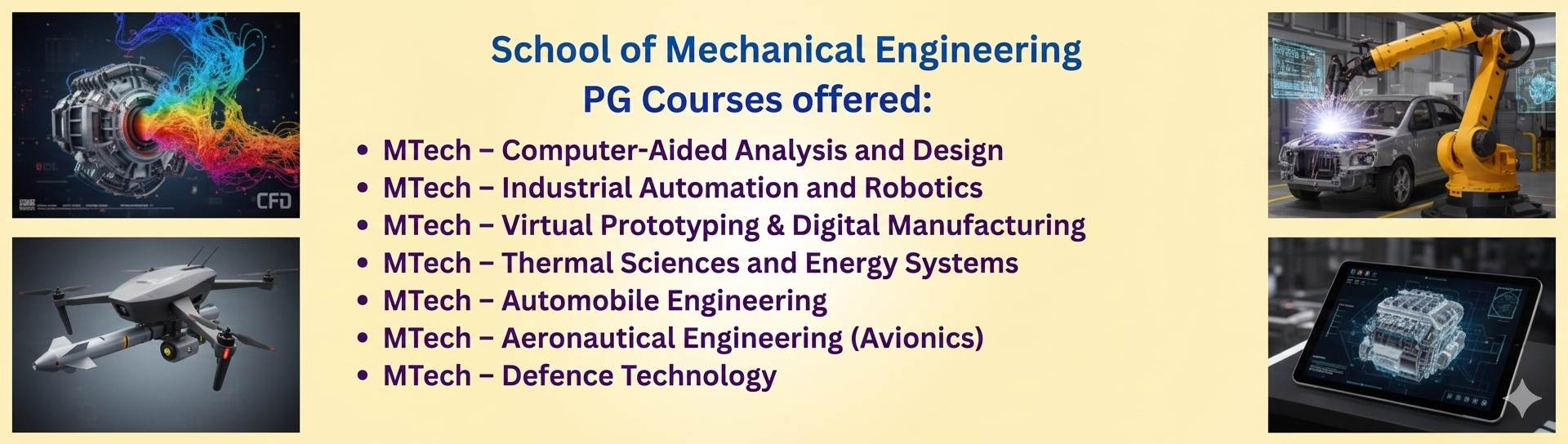
MTech in Computer-Aided Analysis and Design (CAAD) is a two-year postgraduate specialisation degree course offered by the School of Mechanical Engineering. This program focuses on strengthening the theoretical and practical knowledge of the students in the core areas of design and analysis to address the needs of the real world. This program aims to (a) Impart core concepts of Mechanical design to solve complex engineering problems of society and industry (b) Provide comprehensive theoretical and hands-on experience in computer-based modelling, design and analysis of mechanical components and systems and (c) Promote a culture of research and to publish research articles associated with CAAD. (Brochure)
MTech in Manufacturing Technology & Automation (MTA) is a two-year postgraduate specialization program offering comprehensive education encompassing manufacturing processes and automation. The PG program covers various subjects like advanced manufacturing processes, materials processing technologies, product design, production planning and control, computer-integrated manufacturing, intelligent manufacturing, and quality control. The program ensures all-round training in manufacturing technologies and automation, enhancing the technical expertise and proficiency to meet the demands of ever-evolving manufacturing processes and systems. The program aims to develop competent manufacturing professionals and future leaders with strong knowledge and creative problem-solving capabilities to usher innovation in the field of manufacturing and automation. (Brochure)
M. Tech in Thermal Sciences & Energy Systems offers a comprehensive blend of theoretical knowledge and practical expertise in thermal and fluid sciences. This two-year course emphasizes renewable energy systems, heat exchangers, and fluid dynamics research. Key areas include Computational Fluid Dynamics (CFD), refrigeration and cryogenics, new and renewable energy systems, and advanced thermal system design. Laboratory training focuses on stability, hybrid systems, energy, and exergy analyses, supported by high-end instruments. Multidisciplinary electives expand learning horizons, while projects and industrial training provide real-world exposure. The curriculum also incorporates research methodology and ethical practices. Graduates emerge as industry-ready experts, equipped for cutting-edge careers in sustainability, energy systems, and thermal research.(Brochure)
M.Tech - Industrial Automation and Robotics : Objective of the program is to Transform B.Tech graduates (Mechanical and Electrical streams) into Automation and Robotics Processional capable of addressing the automation challenges for effective and economic operation of manufacturing systems, development of automated systems involving robots, and develop automation strategies in compliant with industry 4.0. The curriculum is designed to train students in areas like factory automation, Digital Manufacturing, Robotics, Embedded Systems, image processing, artificial intelligence, sensorics, and machine learning with ample hands on training and enables them to learn by reasoning and research.
The M.Tech in Automobile Engineering is a specialized postgraduate program designed to equip students with advanced knowledge in automotive design, manufacturing, and emerging mobility technologies. The program focuses on key areas such as vehicle dynamics, powertrain systems, alternative fuels, electric and hybrid vehicles, and automotive safety. With a strong emphasis on research, innovation, and industry-oriented learning, it prepares graduates to address modern challenges in the automotive sector and contribute to sustainable and intelligent transportation solutions.
M.Tech in Avionics is a broad branch of study in aeronautical and aerospace engineering. It is still a developing and fast growing field in India and many other countries. MTech in Avionics is a two years post graduate programme in engineering, designed to explore the in-depth knowledge of avionics, aircraft instrumentations & control, navigation & guidance, UAVs, Software Safety and Security, Embedded system, Communication, Software Simulation, Sensors, Antenna Design, as their core courses and program elective. At the end of the course, the candidates will have acquired a good understanding of the major airborne avionic functions and systems and will be able to select appropriate technologies and products for a broad range of functional requirements.
MTech in Defence Technology : Directorate of Futuristic Technology Management (DFTM), Defence Research & Development Organization (DRDO), Ministry of Defence (MOD), New Delhi, Government of India (GOI), in collaboration with All India Council for Technical Education (AICTE) have started a regular Master of Technology (M.Tech) Program in Defence Technology from Academic Year 2021 - 22. The main objective of this advanced PG program is to envisage interest among young aspiring engineering graduates to pursue their professional career in research, technology and product development related to defence and security. DRDO, Indian industries and armed forces are engaged and immensely contributing in the development of defence technologies and production / maintenance of defence systems. The Government of India’s flagship initiative, ‘Atmanirbhar Bharat’ is a step in developing indigenous technology for India’s defence needs and has attracted the attention of several industries to establish many defence related industries and establishment in the recent years. This PG program aims to fulfil the increased requirement of technical expertise and trained manpower that aligns with the new demand for defence industries in India and expected to be the next big employment generation avenue in the days to come. MIT Manipal has received the approval from AICTE to start the M.Tech program in Defence Technology from Academic Year 2021 - 22 with an intake capacity of 30. This M.Tech program offers two specializations: Aerospace Technology and Communication Systems & Sensors. Semester 1 will have common curriculum to both specializations. It includes, 3 core and 2 elective courses and 2 labs. Semester 2 will be offered with courses in accordance with the specialization desired by the candidate. In addition to this, a bouquet of electives will also be provided to the students to specialize in the important domains necessary to develop advanced knowledge and skill set.
The program will be supported by the state-of-art specialized DRDO defence laboratory in India. The students opting for this M.Tech program will be undergoing their laboratory courses in some of the high-tech DRDO labs. Few courses are ably supported by the scientists from India’s prestigious defence labs, and experts from Industry who will be engaged in teaching the curriculum. Semester 3 & 4 includes the project work and seminar which can be conducted under the guidance of experts from Industry / Defence establishment.
MTech Program in Applied Computational Fluid Dynamics is designed to cater to the increasing demand for CFD specialists having practical and technical knowledge. This course is developed mutually by a consortium called APPLY consisting of 11 Universities/agencies worldwide. This course will address the needs of graduates and engineers who wish to further their career prospects in the areas of computational fluid dynamics. The program would be of interest to engineers and scientists—both aspiring and professional—with aerospace/ mechanical/ automobile/ civil/ chemical engineering applications.
The objective of Applied Computational Fluid Dynamics is to develop and understand the fundamental principles of finite element method, and finite volume methods in analyzing and solving systems involving fluid flow with wide-ranging applications from aeronautical, automobile, environmental, and heat transfer. Graduates will develop the ability to solve multi-disciplinary problems and will be a part of future development in automotive industries with proficiency in design, analysis, manufacturing, and safety features. The course is spread across 4 semesters with the first and second semesters covering fundamental topics on computational fluid dynamics and applied subjects wherein the CFD is exclusively adopted. This is supported by practical hands-on experience in simulating flows using commercial software tools such as Ansys & Matlab which are in high industrial demand. The course is equipped with courses having applications in aerodynamics, heat transfer, environmental flows, biofluids, vehicle aerodynamics, and atmospheric flows.
M.Tech. in Virtual Prototyping and Digital Manufacturing is a four-semester experiential learning programme designed for engineering professionals aiming to lead the transformation of modern manufacturing in the era of Industry 4.0. As manufacturing systems become faster, more efficient, and capable of mass customization, the programme equips students with advanced expertise in areas such as additive manufacturing (3D printing), virtual manufacturing, digital twins, high-precision and flexible manufacturing systems, robotics and mechanisms, industrial IoT, and supply chain optimization.
The programme emphasizes the integration of virtual prototyping, which enables simulation and testing of product designs before physical production, with digital manufacturing, where sensor data and IoT technologies create intelligent, automated production environments. This combination helps reduce development costs, improve product quality, and accelerate time-to-market across industries such as automotive, manufacturing, production, R&D, and maintenance.
Doctoral & Other Programs
The School of Mechanical Engineering offers doctoral degree program in both Full Time and Part Time Modes under a wide-range research areas (but not limited to) such as Renewable and Future Energy Technologies, Non-Traditional Machining, Processing and Machining of Metals, Alloys, Composite Materials, Tribology, Computational Fluid Dynamics, Heat Treatment, Biomechanics, Thermal Sciences, Corrosion Engineering, and many more.
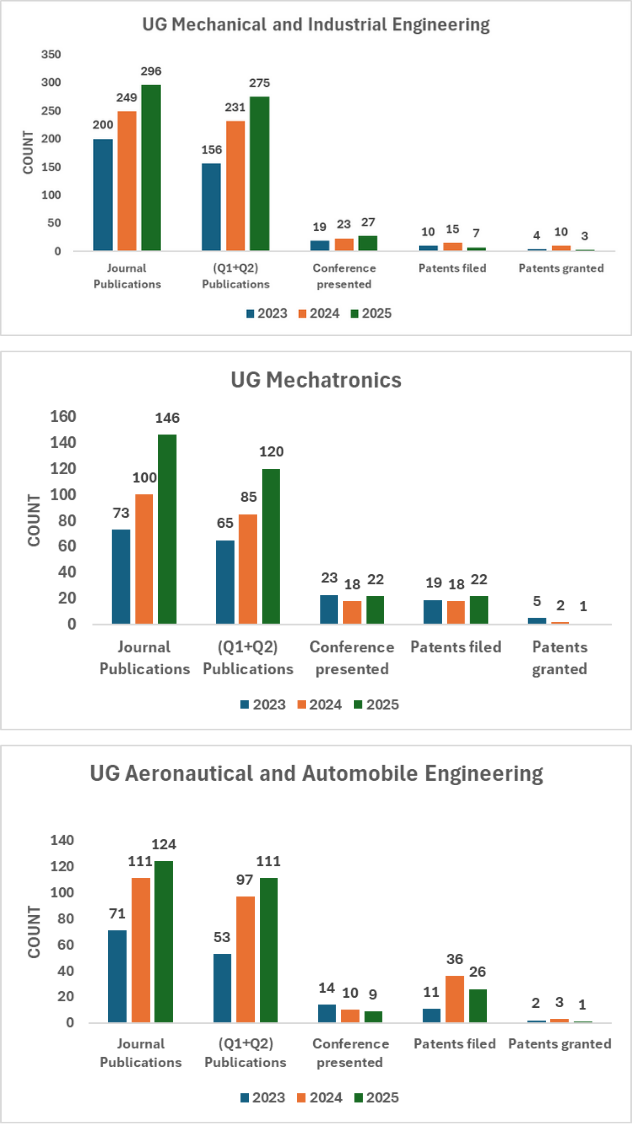
The School has published more than 1000 research papers in reputed International Journals and have filed for more than 50 patents in the last five years. The School is well equipped with the state of the art research laboratories and licensed software for experimental, analytical , and computational research. The admission is undertaken as per MAHE PhD Guidelines. (Brochure)
A new approach for promoting higher education for working professionals, UNNATI, Work Integrated Learning Program (WILP) was inaugurated on 27 March 2023 under the initiative of Dept. of Mechanical & Industrial Engg. enabling CIPLA employees to pursue “Diploma in Mechanical Engineering” through MAHE Manipal. It marked the culmination of a yearlong effort by both the teams from MIT Manipal and CIPLA. The diploma will be conferred upon employees upon the successful completion of six semesters, which includes a combination of onsite, online, and student directed learning.
Intel Unnati – Artificial Intelligence Data Centric Labs (Brochure)
At Manipal Institute of Technology, we are dedicated to providing our students with the latest tools and resources to excel in the dynamic field of technology. We are thrilled to announce our collaboration with Intel® Unnati to establish state-of-the-art Artificial Intelligence (AI) Labs on our campus.
Intel® Unnati is a pioneering program aimed at fostering technology inclusion and enhancing students' skills in emerging technologies. With a focus on advancing students’ capabilities in data-centric skills, the program aligns perfectly with our commitment to preparing our students for the demands of the industry. Our AI Labs, powered by Intel® Unnati, are designed to provide students with industry-leading facilities and resources. Equipped with hardware and software stack recommendations from Intel experts, these labs offer a conducive environment for hands-on learning and experimentation in the field of Artificial Intelligence.
Areas of Expertise
Materials Engineering is a multidisciplinary field that develops newer materials and improves the functioning of existing materials. The discipline offers an interdisciplinary approach, focusing on synthesizing and characterizing advanced materials like polymers, ceramics, composites, nano, and smart materials. The curriculum is curated to equip the graduates with skillsets in material synthesis, development, and characterization to cater to the demands of the fast-paced world. Additionally, the theoretical knowledge is reinforced with experiential learning from working in state-of-the-art facilities dealing with computational modeling, development, and characterization of materials. The graduates can look forward to gaining employment in the energy, biotechnology, health care, aerospace, defense, and automobile sectors.
Design engineering plays a key role in successfully developing any product or system in real-life applications. The school supports the faculty, scholars, and students with well-equipped hardware and computerized laboratories to constantly engage in design-related research activities to address real world problems. The research expertise of the Design area faculty include Fluid Film Bearings, Ocular Tribology, Tribology of Polymers, Fluid-Structure Interaction, Computational Fluid Dynamics, Finite Element Methods, Vibration, Viscoelasticity, Magnetorheological Smart Devices, Experimental Modal Analysis, Passive Magnetic Bearings, Rotor Dynamics, Bearing Diagnostics, Vibration Signal Processing and Analysis, Application of Soft Computing Techniques to Engineering, Design for Manufacturing, and Fatigue & Fracture of Materials.
Thermal engineering is integral to advancements in fields like space exploration, defence, marine applications, and renewable energy. The discipline offers dynamic career opportunities at undergraduate, postgraduate, and PhD levels, fostering expertise in areas such as Solar Energy Conversion, Heat Exchanger Design, Turbomachinery, Biofuels, Microfluidics, and Computational Fluid Dynamics (CFD). State-of-the-art facilities, including simulation laboratories and thermal instrumentation setups, support both experimental and computational research. Graduates and researchers are well-positioned to drive innovation in energy efficiency, sustainability, and performance. The interdisciplinary nature of thermal engineering makes it a versatile and impactful field, ideal for aspiring engineers and innovators.
Manufacturing Engineering is vital in bridging the gap between the production and design streams. It involves working with advanced technologies where product design and manufacturing processes are integrated to produce quality products cost-effectively. Manufacturing engineering plays a key role in supporting the Government initiatives like Make in India and Aatmanirbhar Bharat. The school houses state-of-the-art facilities comprising conventional, non-conventional, and advanced manufacturing and material processing tools. The CAD/CAM laboratories aim to provide a stimulating learning experience with a focus on simulation tools, giving exposure to the creation of digital designs, manufacturing automation, and production planning and control. With the advent of Industry 4.0, in addition to developing artifacts, machine tools, tooling, and quality control, the discipline offers career opportunities in digital and smart manufacturing.
Industrial Engineering focusses on continuously improving the productivity and efficiency of all kinds of processes irrespective of the type of industry. The prominent areas of application are optimization of manufacturing processes, supply chain and logistics, decision support systems, System design, Operations management, simulation and analysis of discrete event systems and other major industrial operations. The inherent flavor of the faculty expertise in the school along with well-equipped computerized laboratory facility ensures industry readiness of students who undergo extensive training in the area of automation, data analytics, Operations research, Industry internet of things, 3D printing and design and other aspects of industry 4.0.
The school is steadily expanding its capabilities in emerging manufacturing technologies, focusing on advanced domains such as 3D Printing, MEMS, Micromachining, Nanoscience, and Digital Manufacturing, along with the rapidly evolving landscape of Industrial Internet of Things (IIoT). These areas collectively enable the exploration of next‑generation manufacturing processes—from additive and micro‑scale fabrication to nano‑enabled materials and intelligent, data‑driven production systems. By strengthening expertise in these cutting‑edge fields, the unit aims to build a future‑ready workforce and foster research that aligns with global trends in smart manufacturing, sustainable production, and Industry 4.0–enabled automation.
The school possesses strong expertise and well‑established infrastructural support in the broad field of robotics and its diverse application domains. Its academic and laboratory ecosystem is designed to provide comprehensive exposure to the design, simulation, and deployment of intelligent robotic systems. Course and lab modules span an extensive set of areas, including the design and simulation of autonomous, aerial, and flexible robots, enabling learners to work with both ground and aerial platforms. Hands‑on training in path planning and control using the Robot Operating System (ROS) equips students with industry-standard tools for building modular and scalable robotic applications. Additionally, the curriculum emphasizes robot mechanics, kinematics, dynamics, and their practical applications across multiple engineering contexts, ensuring learners develop both the theoretical depth and practical proficiency required to excel in modern robotics and automation environments.
The school offers a comprehensive postgraduate program in Industrial Automation and Robotics, designed to equip learners with in‑depth knowledge of advanced automation technologies and intelligent manufacturing systems. The curriculum spans a wide array of essential domains, including Programmable Logic Controllers (PLCs), Hydraulics and Pneumatics, and Automated Manufacturing Processing Systems, ensuring strong foundations in core industrial control mechanisms. Building on these fundamentals, the program integrates modern computational and intelligence‑driven components such as Artificial Intelligence, Machine Learning, and Image Processing, enabling students to develop solutions for smart factories, adaptive automation, and Industry 4.0 environments. By combining traditional industrial engineering principles with cutting‑edge digital technologies, the program prepares graduates to address complex automation challenges and drive innovation across manufacturing and robotics sectors.
The school also demonstrates strong expertise in foundational computing domains, encompassing Databases, Computer Networks, Cybersecurity, Cryptography, and the Industrial Internet of Things (IIoT). These areas are supported by well‑structured theoretical and practical components that enable learners to understand data management, secure communication, network architectures, and modern cyber‑physical systems. To ensure that students gain exposure to emerging technologies and industry‑relevant skills, these subjects are offered as specialized elective courses for higher‑semester undergraduate learners, allowing them to deepen their knowledge in domains crucial to intelligent manufacturing, secure automation, and Industry 4.0–driven engineering workflows.
The School offers a comprehensive specialization in Aerodynamics, designed to provide students with in-depth knowledge of airflow behavior and its applications in aerospace and allied engineering systems. The curriculum covers fundamental and advanced topics such as low-speed aerodynamics, boundary layer theory, airfoil and wing design, flow measurement techniques, and aerodynamic performance analysis, ensuring a strong theoretical foundation. To complement classroom learning, the program is strongly supported by experimental facilities, including a low-speed subsonic wind tunnel, a wind shaper, and a wind turbine test rig. These facilities enable students to conduct detailed flow visualization, aerodynamic force measurements, and performance evaluation of aerodynamic models and energy systems. Through hands-on experimentation, students gain practical insights into lift and drag characteristics, flow separation, and aerodynamic efficiency. Building on these fundamentals, the program integrates computational approaches such as Computational Fluid Dynamics (CFD), allowing students to simulate and analyze complex flow phenomena. This combination of experimental and numerical techniques equips learners with the ability to design, optimize, and validate aerodynamic systems. By blending classical aerodynamic principles with modern tools and experimental methodologies, the specialization prepares students to address challenges in aircraft design, unmanned aerial vehicles, wind energy systems, and other fluid flow applications, fostering innovation and technical excellence in the field of aerodynamics.
The Advanced Composite Materials Laboratory is equipped with state-of-the-art infrastructure that supports both the fabrication and comprehensive mechanical characterization of advanced composite materials used in aerospace and high-performance engineering applications. The facility enables students and researchers to gain hands-on experience in developing composite laminates using modern manufacturing techniques, thereby bridging the gap between material design and real-world structural applications. The laboratory provides extensive capabilities for evaluating the mechanical behavior of composites under different loading conditions. It is equipped to perform tensile, compression, and flexural (bending) tests, which help in determining the strength, stiffness, and deformation characteristics of materials. In addition, specialized equipment is available for impact, torsion, hardness, and fatigue testing, allowing detailed assessment of material performance under dynamic, cyclic, and complex loading scenarios. These tests are essential for understanding failure mechanisms, durability, and life prediction of composite structures. To further enhance material evaluation, the lab is equipped with advanced non-destructive testing (NDT) facilities, enabling inspection of internal defects without damaging the specimen. Techniques such as ultrasonic testing and ultrasonic C-scan are used for high-resolution imaging and failure assessment, helping identify issues like delamination, voids, cracks, and inclusions within composite laminates.
The School has given significant emphasis to this vital branch of science, recognizing its fundamental role in aircraft propulsion and energy conversion systems. The propulsion laboratory is designed to provide students with a strong understanding of the principles governing thrust generation, fluid flow, and combustion processes that drive modern aerospace vehicles. The lab offers extensive experimental exposure to nozzle flow phenomena, enabling students to study compressible flow behavior, expansion processes, and thrust generation in convergent and convergent-divergent nozzles. Experiments involving free jets and wall jets allow learners to analyze jet development, velocity profiles, entrainment, and interaction with surfaces. A major focus of the laboratory is on combustion science, where students investigate burning velocity in premixed combustion systems, gaining insights into flame propagation, stability, and efficiency. This understanding is crucial for the design and optimization of propulsion systems such as gas turbines and rocket engines. The facility also includes experiments to evaluate the performance and efficiency of turbomachines, such as compressors and turbines, which are integral components of aircraft engines. These experiments help students understand energy transfer, losses, and performance characteristics under varying operating conditions. Additionally, the lab features mini gas turbine setups, providing a holistic view of real propulsion systems. Through these experiments, students can observe the integration of intake, compression, combustion, and exhaust processes, thereby gaining practical knowledge of engine operation and performance.
Emphasis is given to the experimental methods for the analysis of structural loads on aircbraft structural components, the modes of failure and corrective action to prevent such failures.
The school is specialized in the wear and frictional studies of bearings, friction linings for automobiles, Slurry erosion test setup for wear analysis under marine conditions.
The school has procured advanced powertrains for IC engine driven, Test Rigs for electric and hybrid electric vehicles, Regenerative braking.
The school is gaining prominence in this niche area of research spanning biomechanics, biofluidics and biomimetics.
Active research is being conducted on dynamic properties of smart material based dampers (Magnetorheological elastomers and fluids), Acoustic characterization of different materials.
External Collaborations
Specialized Labs
The school provides dedicated lab facilities for running lab-associated courses to undergraduate/postgraduate/research programs in the following areas of Materials, Design, Thermal, Manufacturing & Industrial Engineering.
- Advanced Composite Lab
- Advanced Material Testing Lab
- Advanced Powertrain Lab
- Aerodynamics Lab
- Automotive Engines Lab
- Automotive Machine Shop
- Avionics Lab
- Computer Aided Design Lab
- Computer Aided Industrial Engineering Lab
- Design Engineering Lab
- Engineering Graphics Lab
- Fluid Machinery Lab
- Industrial Internet of Things (IIoT) Laboratory
- Integrated Electronics Lab
- Heat Engines Lab
- Heat Transfer Lab
- Hydraulics and Pneumatics Lab
- Metrology Lab
- MIT Workshop
- Propulsion Lab
- Renewable Energy Lab
- Robotics Lab
- Thermal Lab
- Tribology Lab
- Vibrations and Acoustics Lab
- Vibrations Lab
- Work Systems, Ergonomics & Quality Engineering Lab
Placement Details
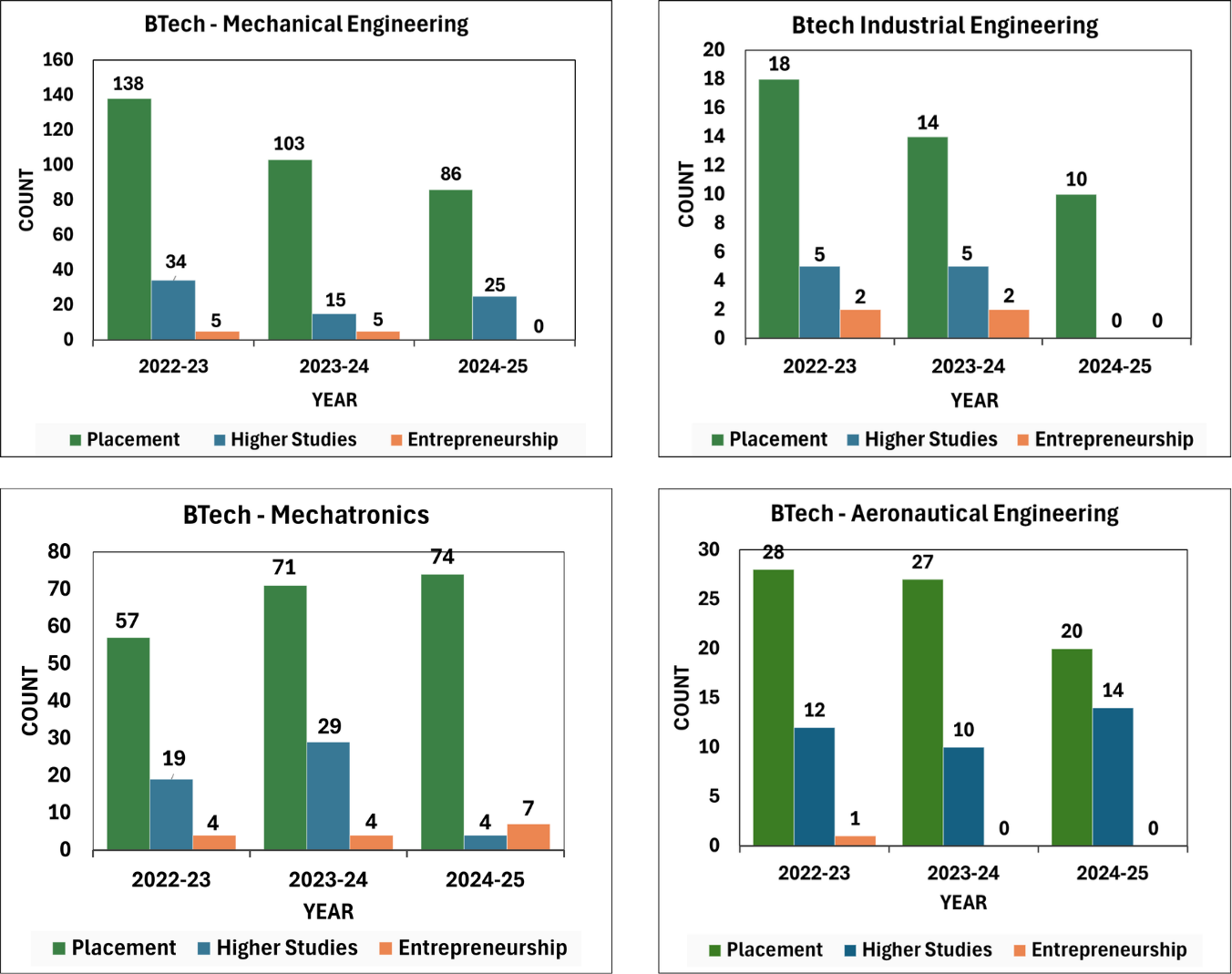
The school is well supported by the Institute placement team. The placement team is headed by Associate Director (Industrial Liaison, Placement & Practice School) and oversees the entire placement process in the institution with the help of school coordinators. Students are provided with opportunities for Internships, Placements, Pre-placement offers (PPO) in core companies and ITES. Our students from School of Mechanical Engineering get recruited by a wide range of companies.
Faculty
News and Events
- 3-Days Workshop on “Design of Solar Electric Vehicles (DSEV-2026)" 7-9th February 2026.
- Conducted BIS Lectures and Panel Discussion on 30 January 2025 to foster awareness about standardization and its applications.
- Mr. Amit Kapur of Nanobubbles conducted Academic Engagement and Collaboration Discussions - Nanobubbles (16-10-2024)
- Dr. Sadanand S Kulkarni of Propulsion Division, CSIR conducted Academic Engagement and Collaboration Discussions - CSIR (28-09-2024)
- Anant Karegaonkar and team of Forbes Marshall conducted Academic Engagement and Collaboration Discussions on 11-09-2024
- Prof. Ir. Dr. Mohd Zulkifly bin Abdullah of USM Malaysia conducted Guest Lecture Series on Electronic Cooling and Computational Fluid Dynamics (16-09-2024)
- Mrs. Mythili Belle Kamath, COE in Aerospace at Honeywell conducted webinar on Career Opportunities at Honeywell (24-08-2024)
- Prof. Sateesha Krishnamoorthy of University of Surrey conducted faculty interaction for possible academic and research engagments (16-08-2024)
- 2024 IEEE International Conference on Augmented Reality, Intelligent Systems, and Industrial Automation (ARIIA-2024), Hybrid Mode on December 20-21, 2024. (Know more)
- International Conference on Maintenance and Intelligent Asset Management (ICMIAM 2024),16 - 17 December, 2024 | Venue - Manipal Institute of Technology, Manipal, Karnataka, India (Know more)
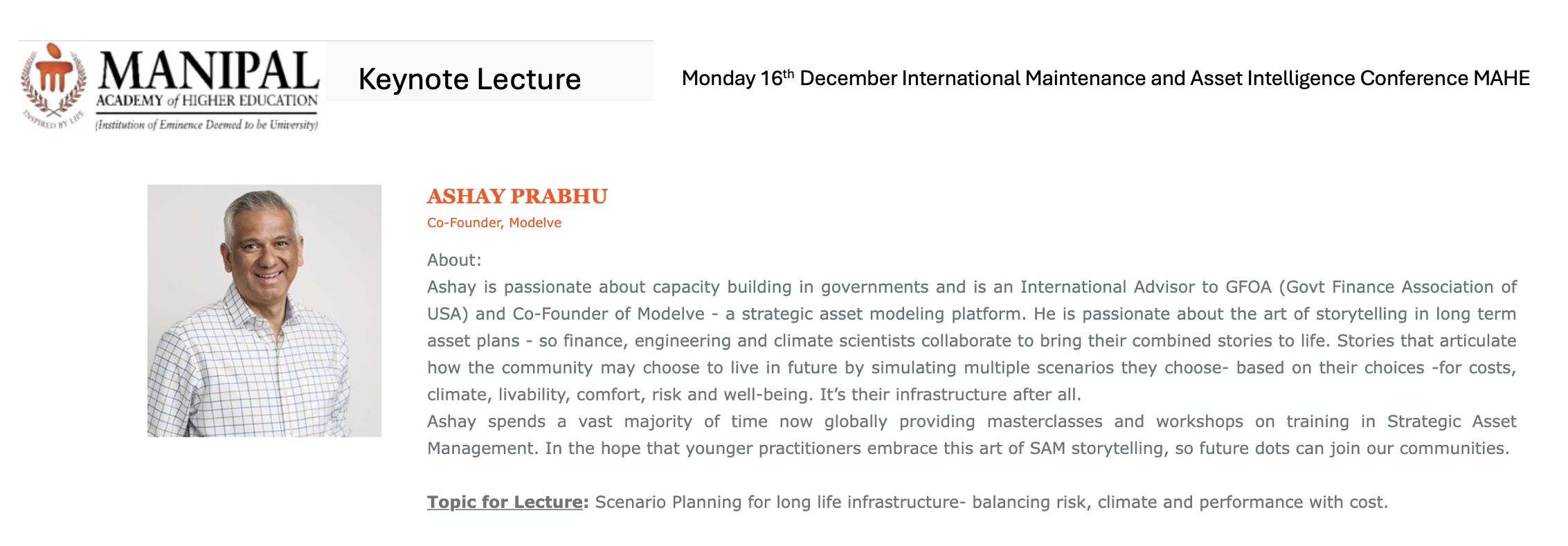
- Keynote Lecture in International Conference ICMIAM 2024: Scenario Planning for long life infrastructure- balancing risk, climate and performance with cost - Ashay Prabhu, Co-Founder, Modelve. (Know more)
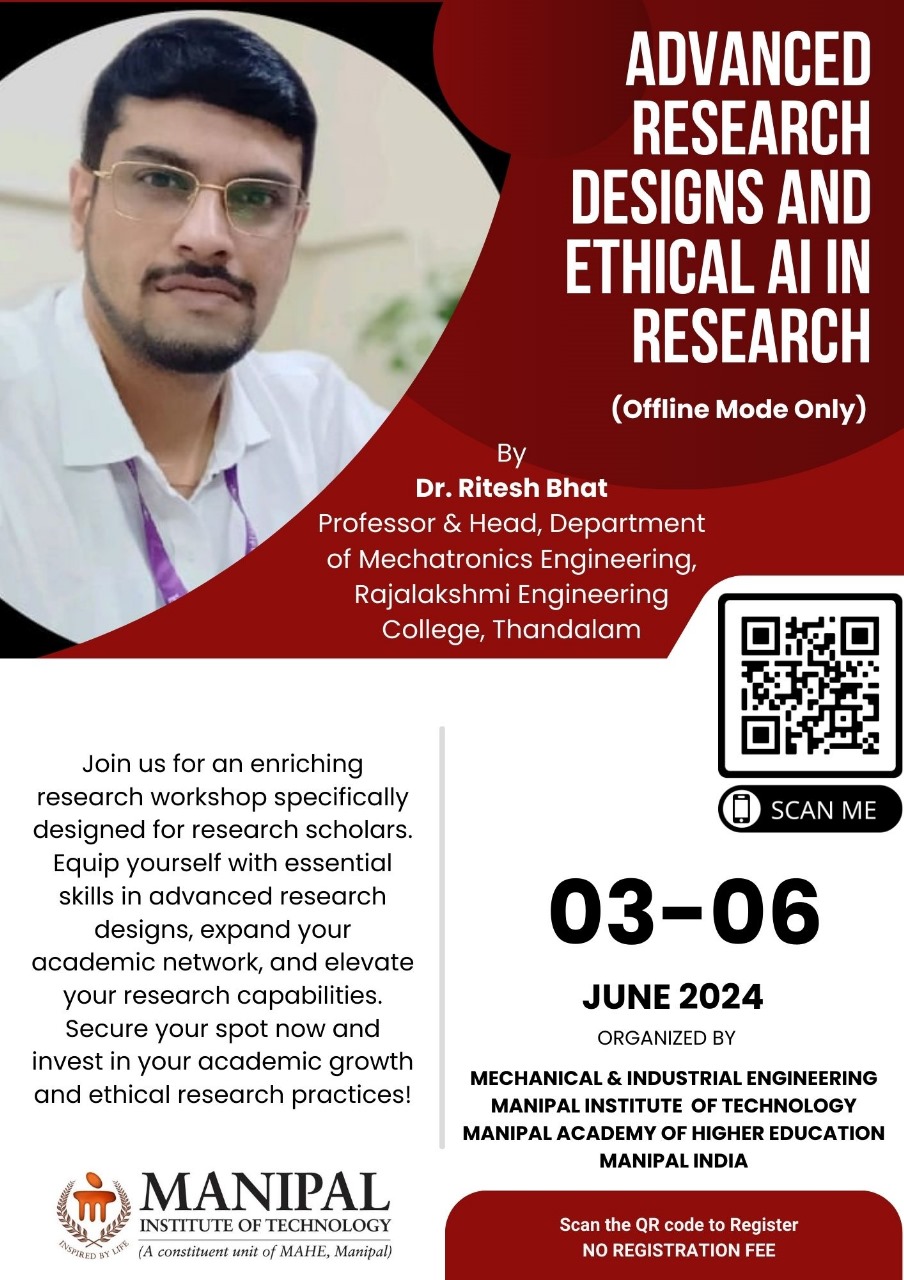
- Four days workshop on "Advanced Research Designs and Ethical AI in Research," delivered by Dr. Ritesh Bhat, Professor, Department of Mechatronics Engineering, Rajalakshmi Engineering College, Chennai, June 3rd to 6th, 2024. (Know more)
- Invited talk by Dr. Rashid Zafar, Assistant Professor, Department of Mechanical Engineering, ZHCET, AMU, Aligarh on Finite Element Modeling of Liquid Reinforced Soft Composites, 18 April 2024, 11.30 AM - 1 PM. (Know more)
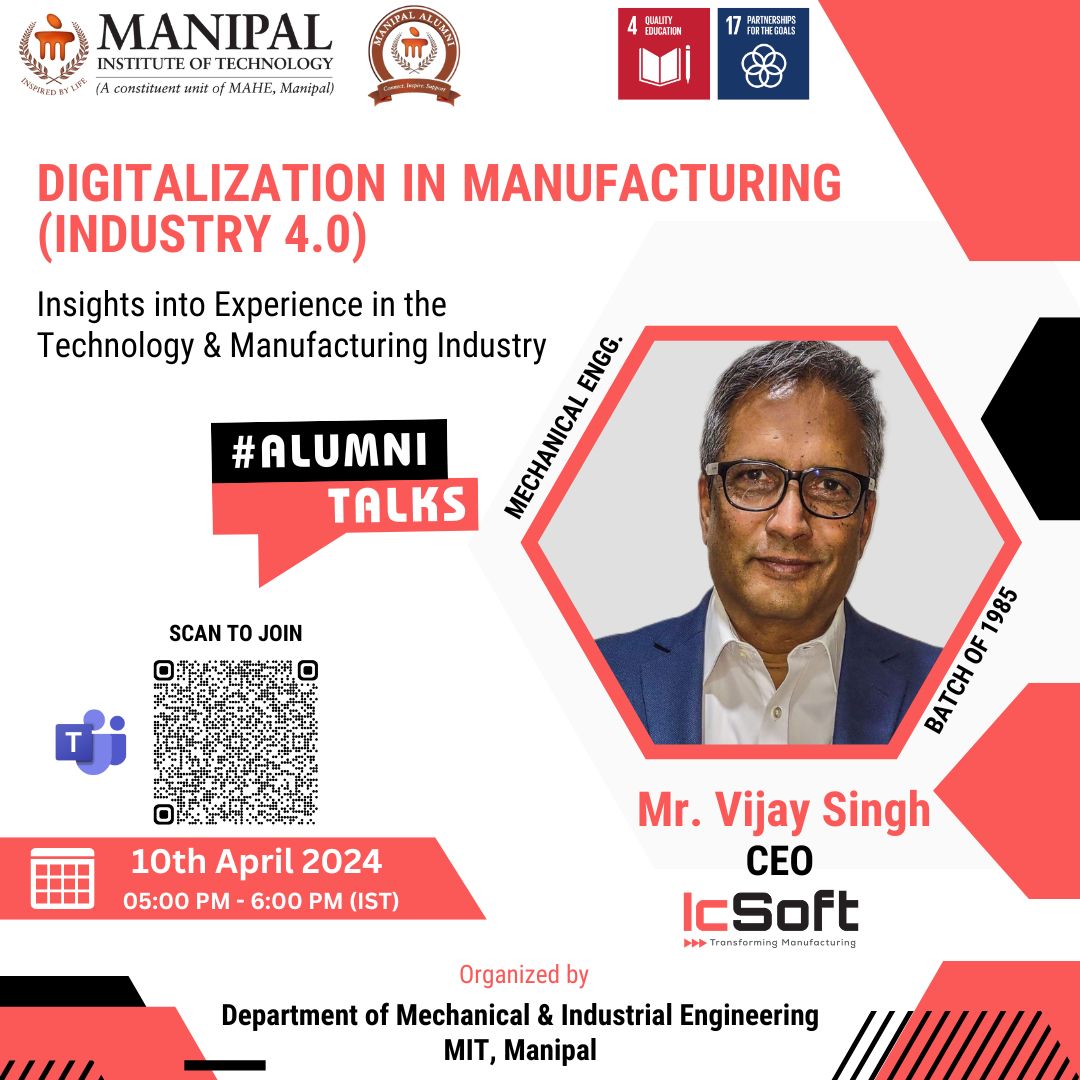
- Alumni Talk by Mr Vijay Singh, CEO, IcSoft, India - Digitalization in Manufacturing (Industry 4.0), 10 April 2024, 5-6 PM. (Know more)
- Visit of Mr. Harish Shah (alumnus of MIT, Mechanical Branch,1975-80 batch) along with his wife Mrs. Bina Shah, 6-7 April 2024, MIT Manipal. Mr. Harish Shah is Founder & Managing Director, Signet Capital Pvt. Ltd and also Director, Harish & Bina Shah Foundation. Mrs. Bina Shah is Co-Founder, Signet Capital Pvt. Ltd.
- Five days hands-on workshop on Instrumentation and Data Analysis in Solar and Thermal Engineering Research, April 08 - 13, 2024 (Brochure)
- Alumni Talk by Dr. Apurva Anand, Professor and Director, Maharana Pratap Engineering College, Kanpur - Artificial Intelligence in Mechanical Engineering, 03 April, 2024, 5-6 PM. (Know more)

Mechanical & Industrial Engineering
Department of Mechatronics
Department of Aeronautical and Automobile Engineering
Research
The areas of research are
• Tribology • Computational Fluid Dynamics • Characterisation of Metals, Alloys and Composite materials • Machining of Metals, Alloys and Composite materials • Heat Treatment of Metals • Thermal Sciences • Renewable Energy Harvesting • Corrosion Engineering • Biomechanics • Non-Traditional Machining • Industrial Engineering • Supply Chain • Robotics • Automation • Microfluidics • Electro kinetics • Aerodynamics • Turbomachinery Aerodynamics • Flight Dynamics and Control • Avionics • AI/ML in Aerospace Applications • Biomimetics • Space Technology • Lighter-Than-Air Systems
Central Facilities
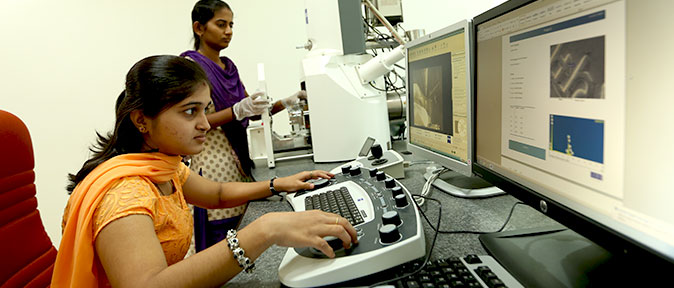
Laboratories
World-class laboratories give learning a practical dimension
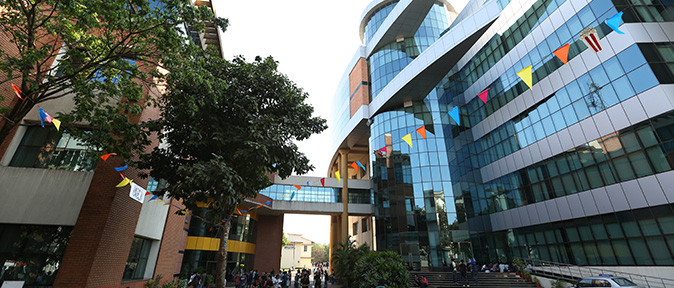
Innovation Centre
State-of-the-art Innovation Centre to facilitate multi-disciplinary research
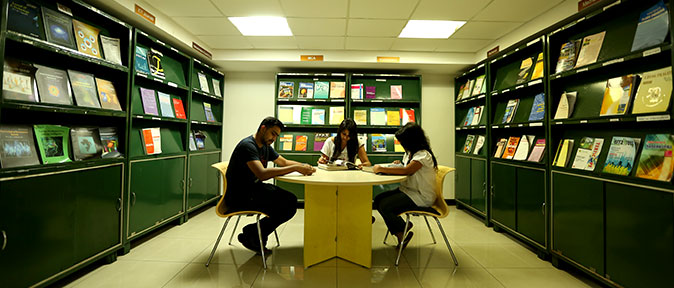
Libraries
Libraries have excellent resources for reference and study
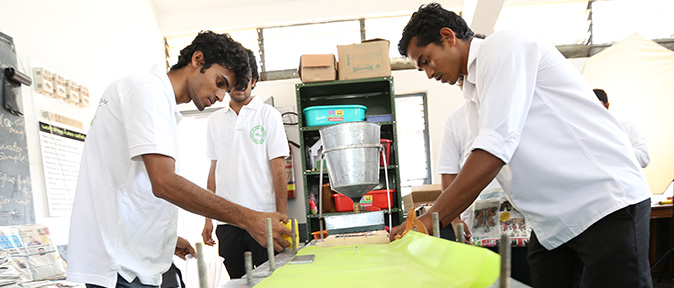
MUTBI
Manipal Universal Technology Business Incubator (MUTBI)
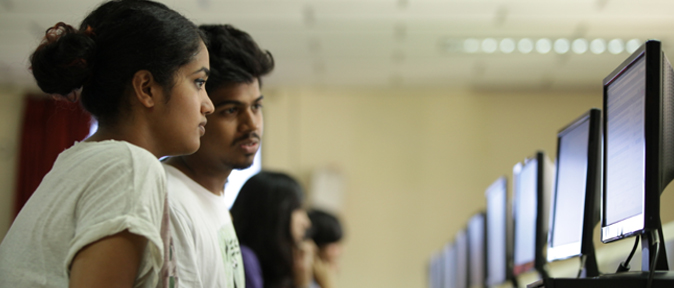
Computing Facility
Wi-fi campus with modern computing and digital facilities
Distinguished Alumni

Director at Ace Designers Ltd. (Ace Micromatic Group) Batch of 1982-86 (I &P Engg.)
Mr. Harish Badanidyoor

Chief Executive Officer AFE - Tractors and Farm Equipment Limited Batch of 1992-96 (I&P Engg.)
Mr. Sandeep Sinha

Vice President (Marketing and Contracts) Power Transmission Business, Triveni Engineering & Industries Ltd Batch of 1983-87 (Mech. Engg.)
Mr. D Srinivasan
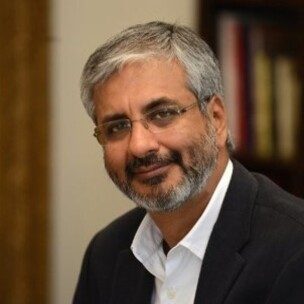
Chairman at Maini Group Batch of 1985-89 (I&P Engg.)
Mr. Sandeep Maini
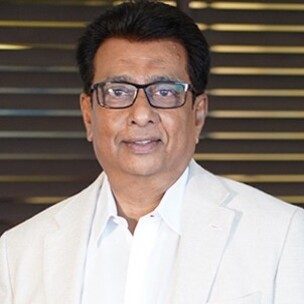
Founder and Managing Director of Signet Excipients Pvt Ltd. Batch of 1975-80 (Mech. Engg.)
Mr. Harish Shah
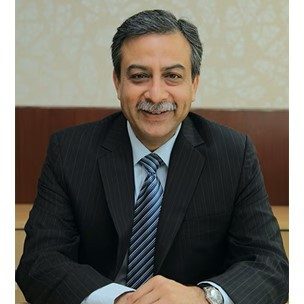
Senior Advisor, Tata Sons Pvt Limited Batch of 1980 (Mech. Engg.)
Mr. Banmali Agrawala

Principal Engineer, CT Hardware Platform, GE HealthCare Batch of 2003 (M.Tech CAAD)
Mr. Vishwanath Nayak

Senior Engineer, Trane Technologies, Clarksville, Tennessee, USA Batch of 2013 (M.Tech TSES)
Mr. Princeton Lobo

Technical Innovator, John Crane, Dubai Batch of 2009 (M.Tech Mfg. Tech and Automation)
Mr. Pruthvik Kekuda

Scientist-C & Deputy Director, Bureau Of Indian Standards, New Delhi Batch of 2014 (Mech Engg.)
Mr. Prasoon Yadav

Team Lead- COSMIC Industrial Laboratories Ltd (PhD Study period: 2021-2024)
Dr Srinivas Doddapaneni

Assistant Technical Officer - Ontario Power Generation, Canada (PhD Study period: 2018-2021)
Dr Elton Dylan Nazareth

Executive Director & CEO at Godrej Industries Ltd. (Chemicals), Batch of 1988-92 (Mech. Engg.)
Mr Vishal Sharma
Student Achievements
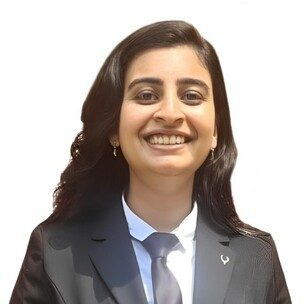
BTech Mech Engg (2024 Batch) Part of Research Team in University of Michigan to lead first satellite mission with NASA grant worth $10 million.
Shivani S
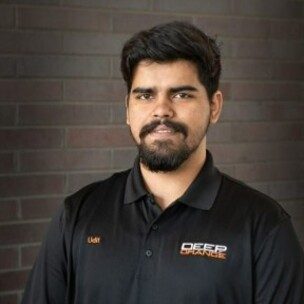
BTech Mech Engg (2019 Batch) Achievements: Invention patent - "Universal Self Aligning Automated Gear Hobbing Fixture" granted in November 2023
Mr. Udit Rathee
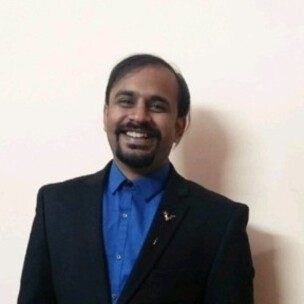
BTech Mech Engg (2017 Batch) Achievements: Invention patent - "Pantograph Suspension System and Method for Vehicles" granted in March 2024
Mr. Akshay Saxena
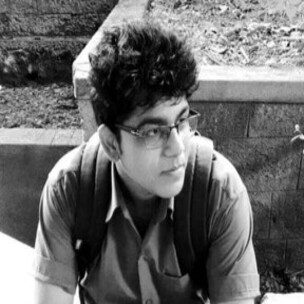
BTech Mech Engg (2019 Batch) Achievements: Invention patent - "Device for Inspecting Dimensions of a Tool Holder" granted in March 2024
Mr. Dhruv Shah

3rd year Mech Engg student Completed SURGE fellowship at IIT Kanpur in June 2024.
Mr. Gujjadi Sathvik
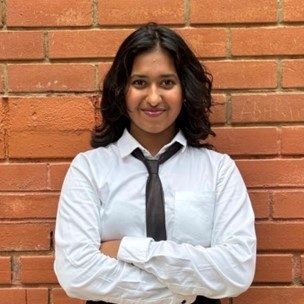
Best Paper Award in ICMIAM 2024 International Conference BTech Mechanical 6th Semester
Srinidhi Deshmukh

Won 1st place in national level technical competition, "MechAura-2024" hosted by Pratt & Whitney India. (BTech Mechanical 8th Semester)
Megha Nair
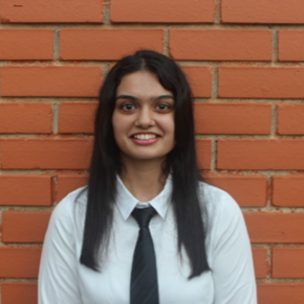
Won 1st place in national level technical competition, "MechAura-2024" hosted by Pratt & Whitney India. (BTech Mechanical 8th Semester)
Pradamya Mahajan

Secured 1st Place and won a Cash Prize of Rs 50,000 in the Outstanding Project Awards 2024 by Forbes Marshall Pune (BTech Mechanical – 2024 Batch)
Mr. M Sarath Chandra Reddy
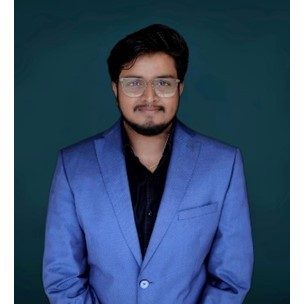
Secured 1st Place and won a Cash Prize of Rs 50,000 in the Outstanding Project Awards 2024 by Forbes Marshall Pune (BTech Mechanical – 2024 Batch)
Mr. Lalith Surya Mamidipalli

Secured 1st Place and won a Cash Prize of Rs 50,000 in the Outstanding Project Awards 2024 by Forbes Marshall Pune (BTech Mechanical – 2024 Batch)
Mr. Advay Srinivas Nikam
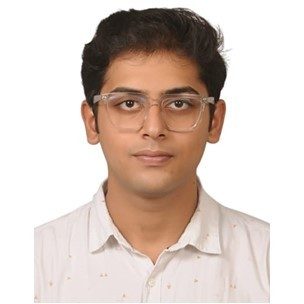
Secured Runner-Up Position and won a Cash Prize of Rs 25000 in the Outstanding Project Awards 2024 by Forbes Marshall Pune (BTech Mechanical – 2024 Batch)
Mr. Akhil Jayesh Mhatre

Secured Runner-Up Position and won a Cash Prize of Rs 25000 in the Outstanding Project Awards 2024 by Forbes Marshall Pune (BTech Mechanical – 2024 Batch)
Mr. Kare Yugeshwar

Secured Runner-Up Position and won a Cash Prize of Rs 25000 in the Outstanding Project Awards 2024 by Forbes Marshall Pune (BTech Mechanical – 2024 Batch)